Our Discovery of Blue Journey
The Blue Mutation in Green-cheeked Conures
What began in 2020 as a Violet project has led us to the identification of a blue mutation in Green-cheeked Conures (Pyrrhura molinae). We originally worked these birds as Single Factor and Double Factor Violet, often called American Factor Violet. Our breeding results over subsequent years showed that this identification was incorrect.
The mutation is a recessive blue at the same genetic location, or locus, as turquoise. The two mutations act as different versions of the same gene.
By Beth Garcia · Majestat Aviary · Floral City, Florida
How It Started
In 2020, Manuel (Manny) Trevino and I began working with unusual turquoise Green-cheeked Conures. I myself started with five of these amazing birds. They appeared significantly bluer than standard turquoise and closely resembled birds being called Violet in Europe.
For several years we bred the line as Single Factor and Double Factor Violet and combined it with Dilute, Cinnamon, and Opaline. What we learned from those pairings changed our understanding of the birds.

Key Breeding Results
The Pairings That Changed Our Understanding
The most important evidence came from controlled test pairings:
- We paired normal green birds with birds we then believed to be Double Factor Violet.
- We bred the offspring back by pairing Green × Blue.
Results: Only Green and Blue birds were produced.
No standard turquoise appeared.
Amy Ginley acquired three hens from me, and identical results were obtained. These consistent results were central to our understanding of the blue mutation.


Key Breeding Results
What Dominant Red Revealed
When we paired Blue birds with Dominant Red, something very clear happened: the red color simply did not appear on the body. There were no indications of the Dominant Red mutation in the plumage color itself, except for the characteristic signs of Dominant Red that still showed in the offspring.
On a normal green bird, Dominant Red has yellow pigment to work with, so it can create red tones. On a Blue bird, that yellow pigment is already gone. With nothing left for the Dominant Red to act on, the red color stays completely hidden.
For us, this is one of the strongest practical signs that we are dealing with a blue mutation, rather than a modifier of the colors we originally thought we were breeding.
What We've Learned in 2026
The Three Forms Explained
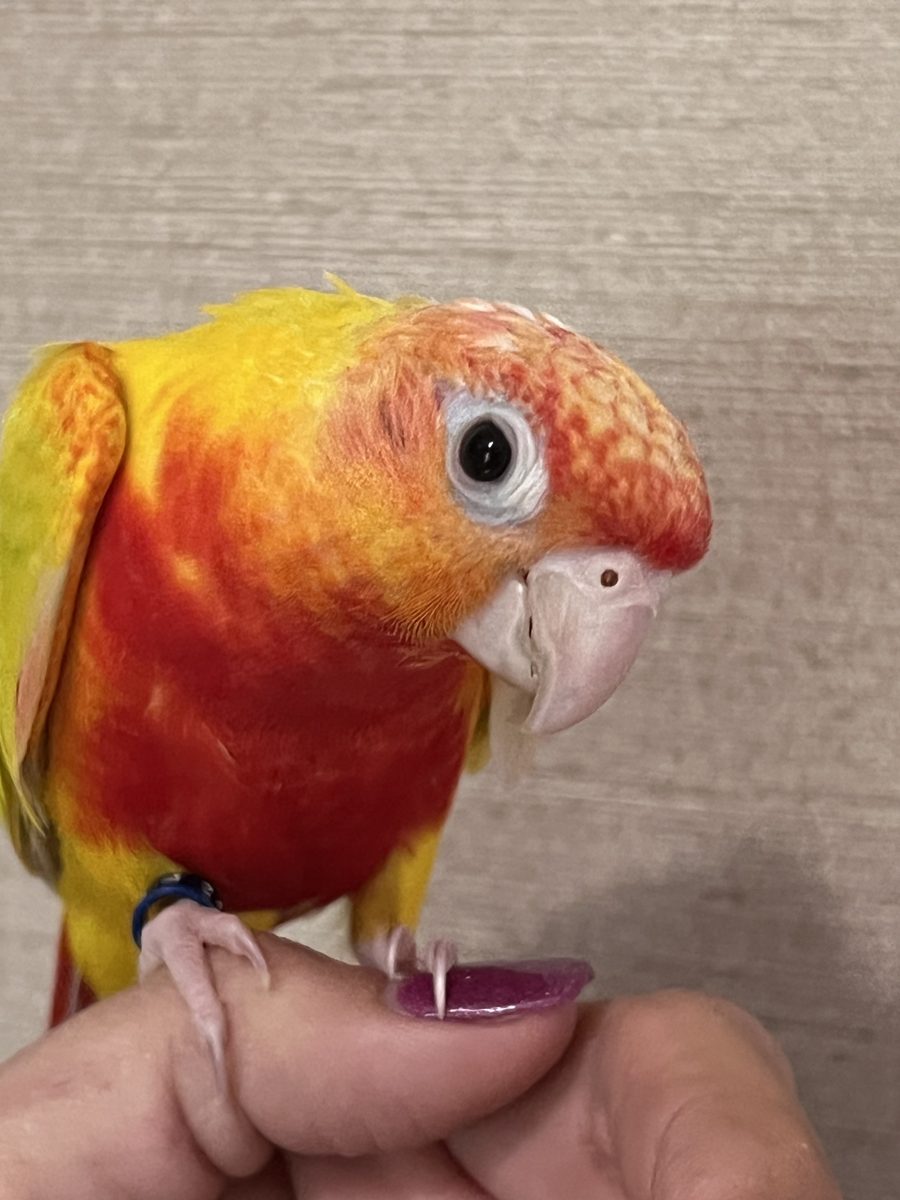
We now recognize three distinct forms in this series:
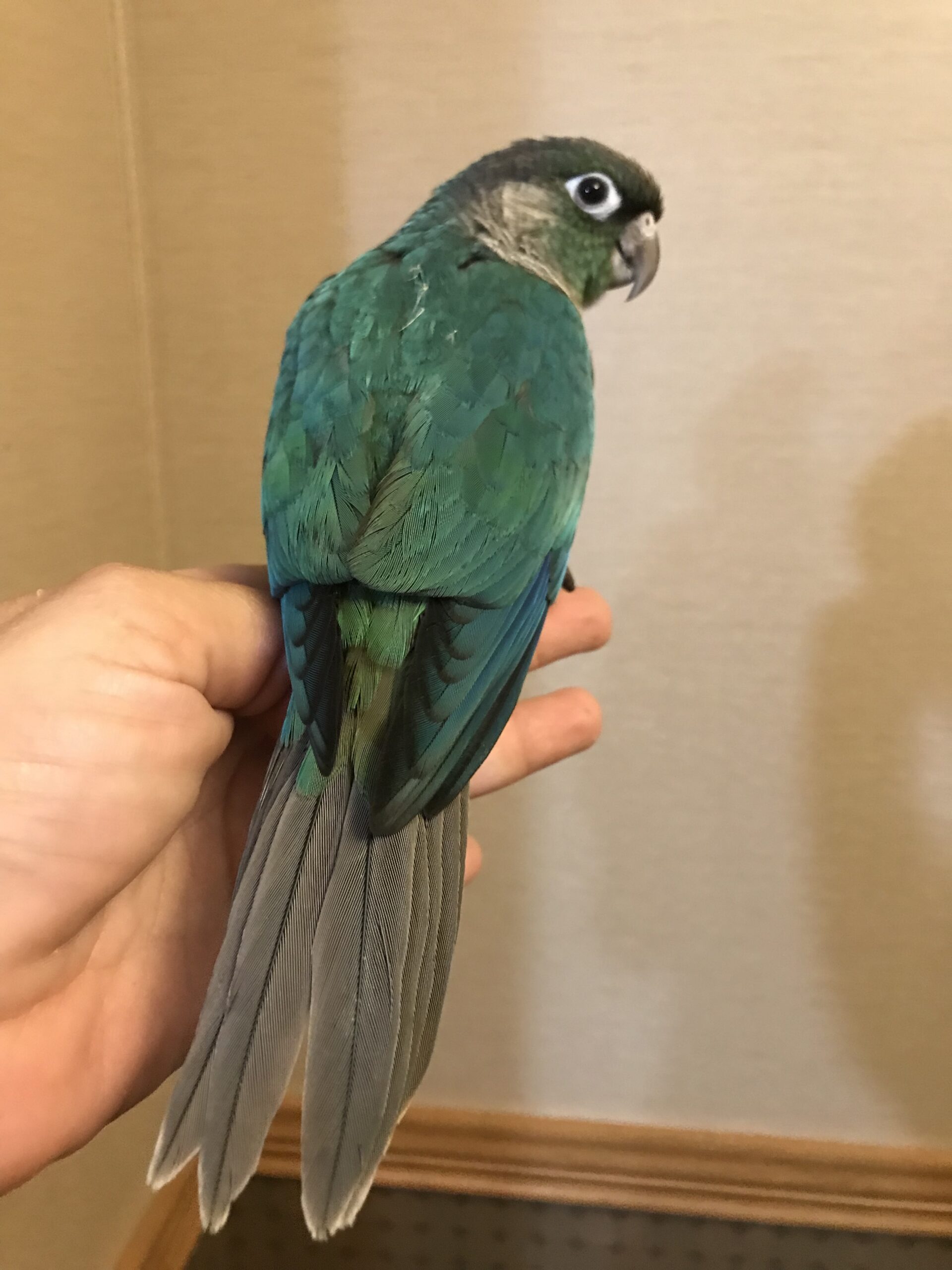
1. Turquoise
Turquoise Green Cheeked Conure
The long-established parblue mutation in Green-cheeked Conures.
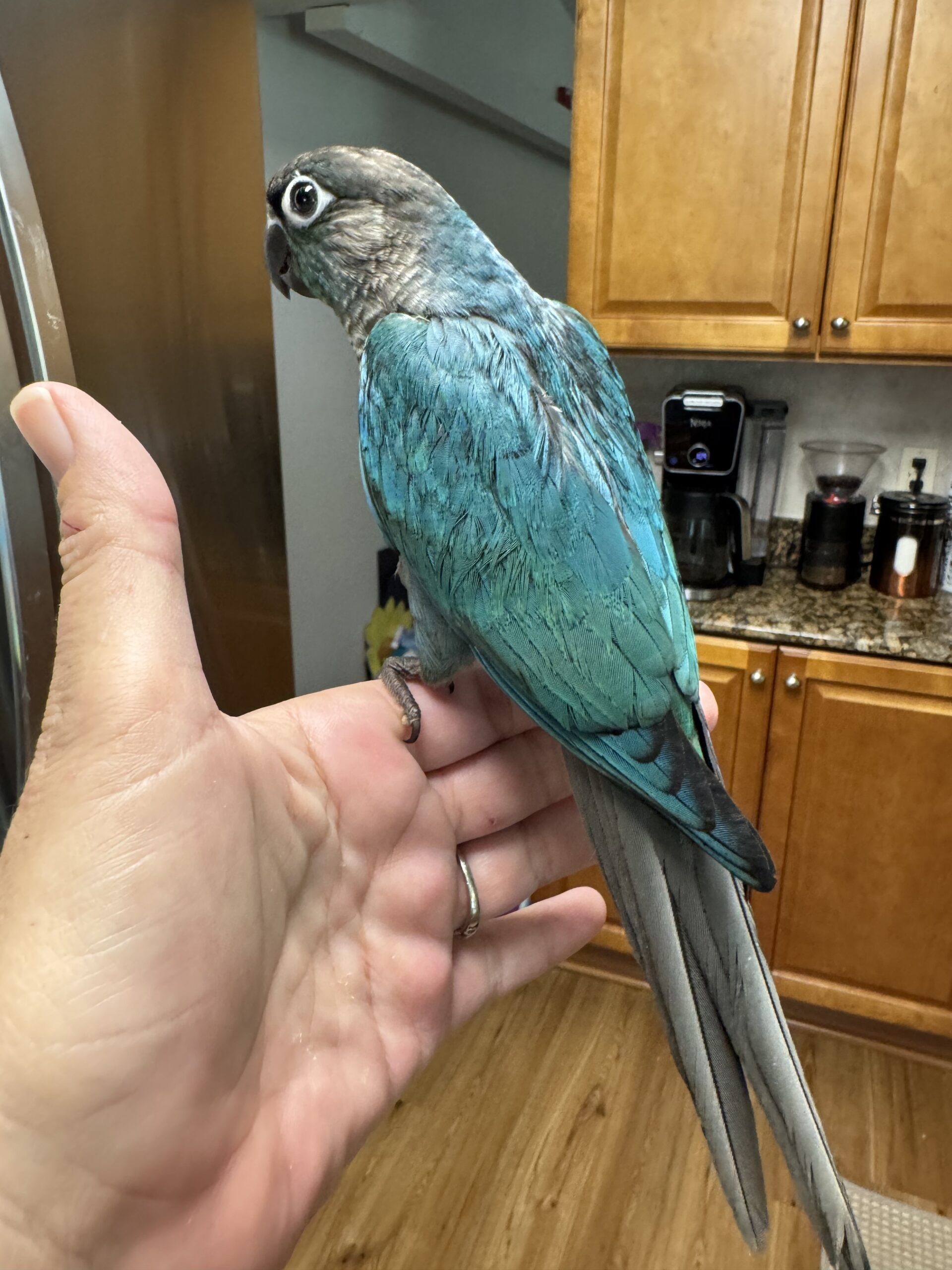
2. Turquoise Blue
Previously called Single Factor Violet
One copy of standard turquoise + one copy of the new blue allele. This is the intermediate form. It is genetically different from pure turquoise and produces different breeding results.

3. Blue
Previously called Double Factor Violet / American Factor Violet
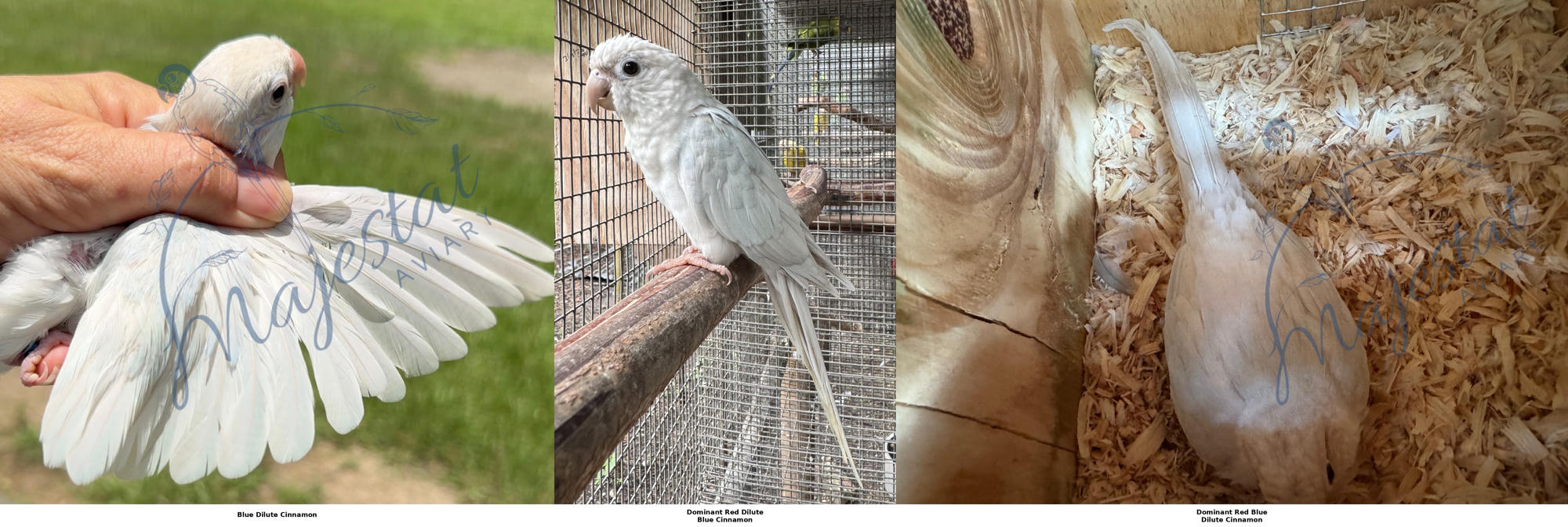
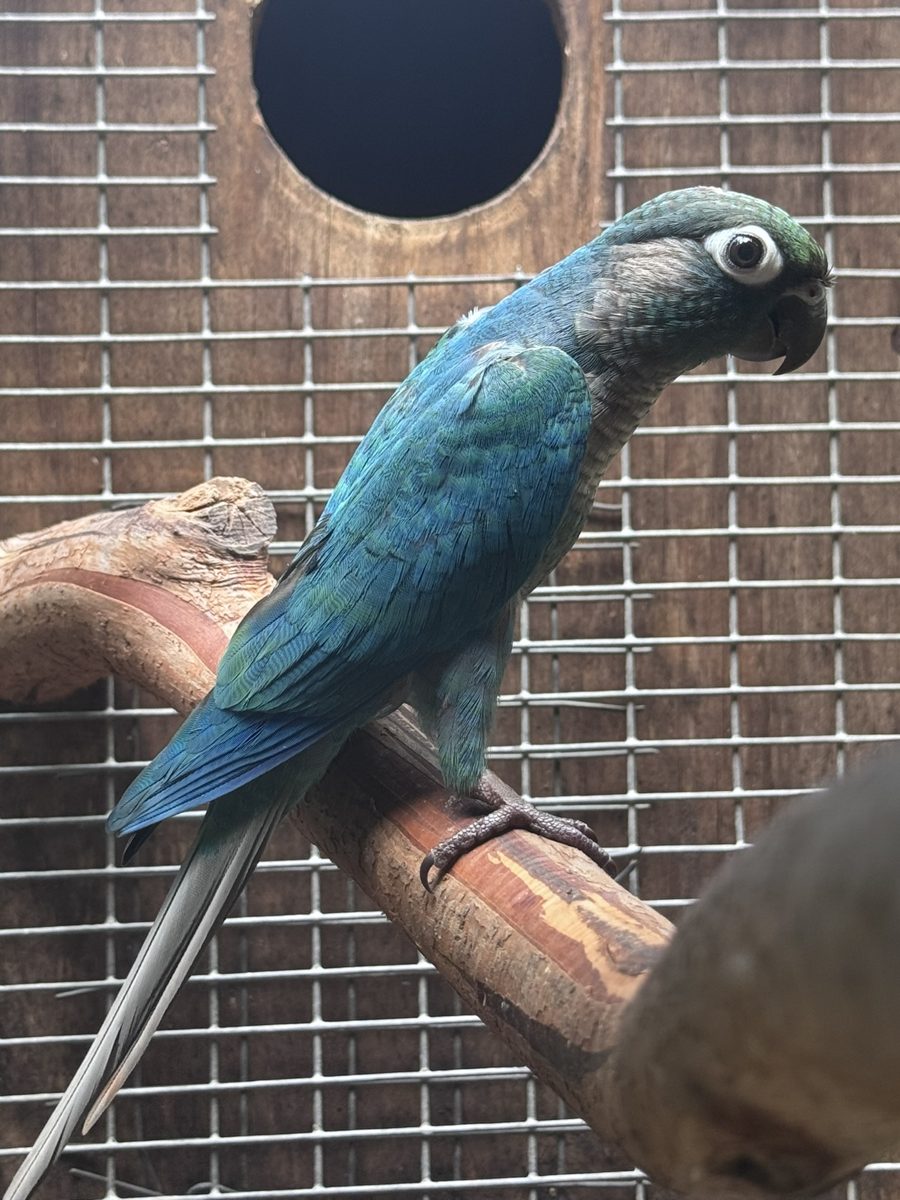
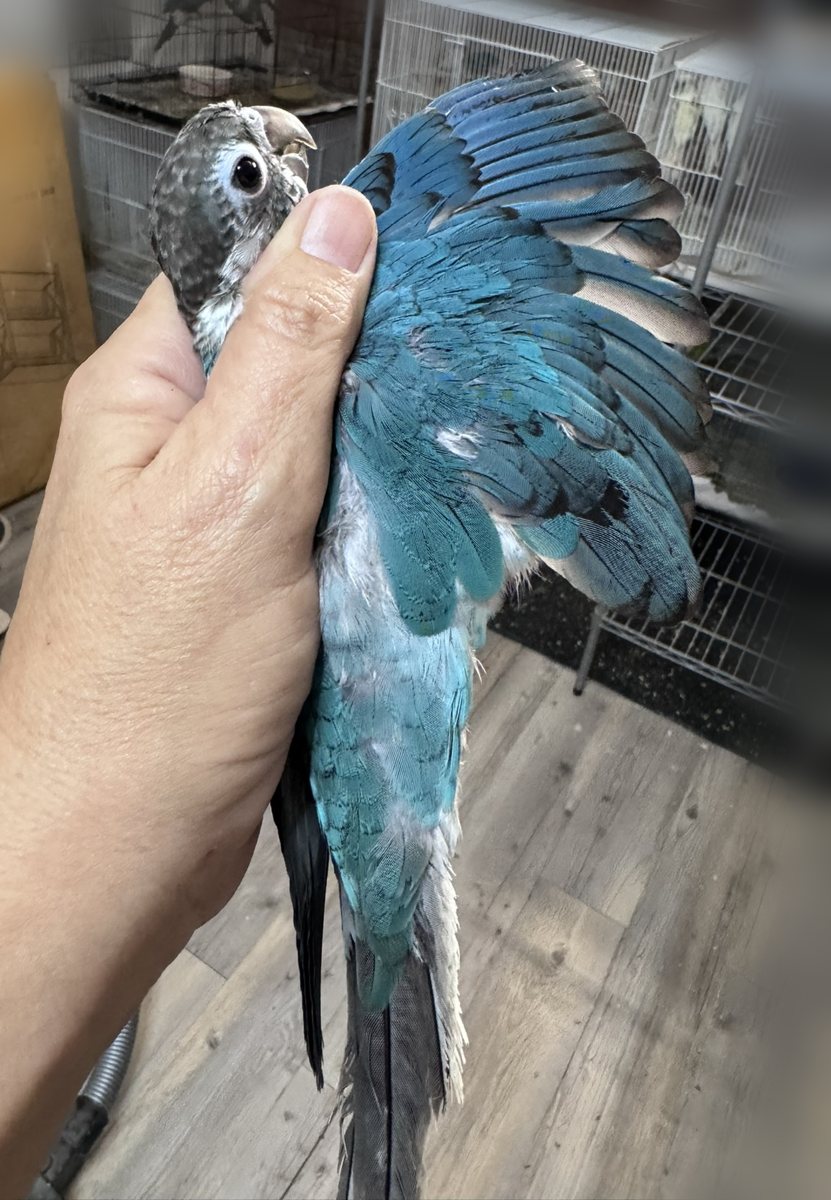
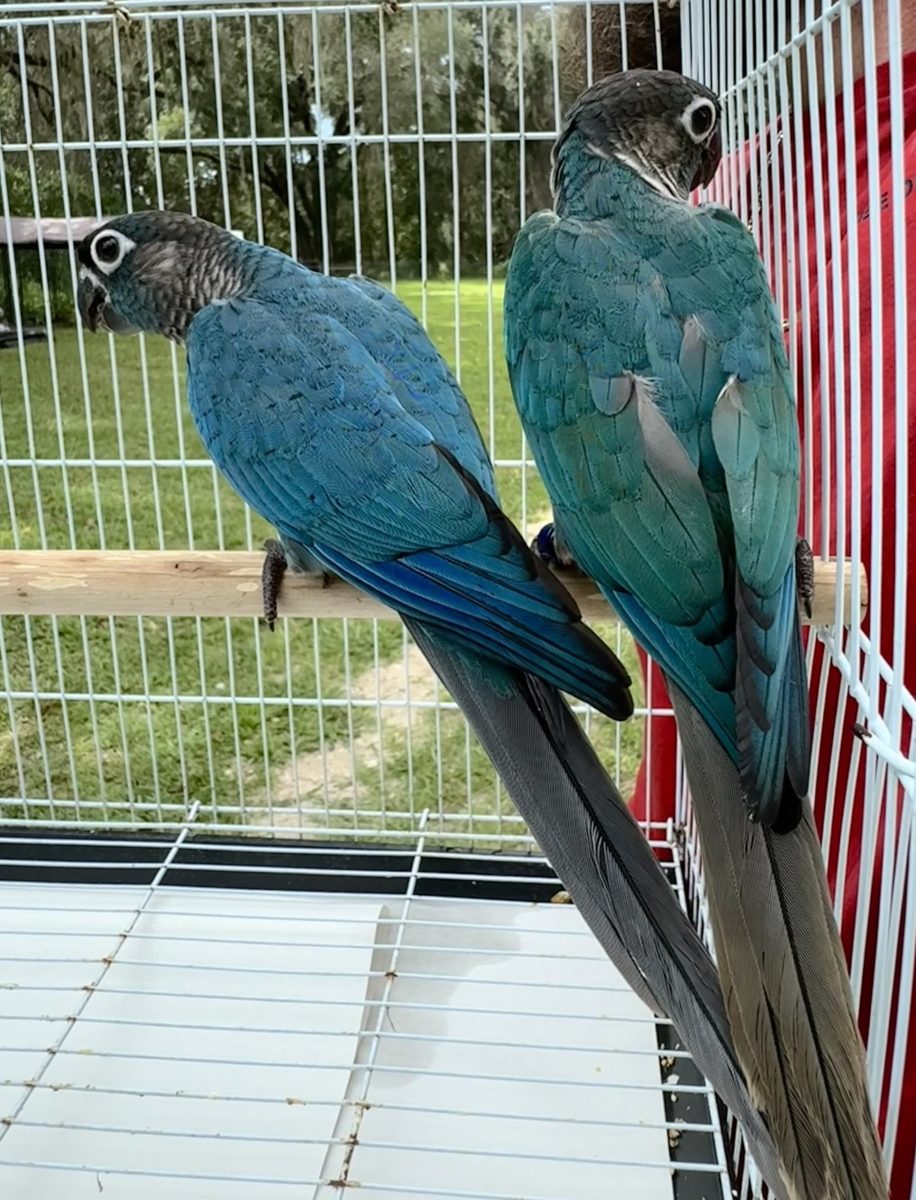
The full expression of the new blue mutation. These birds show clean blue and white with no turquoise leakage and no yellow or cream pigment remaining.

This pattern matches what we see in other parrot species where turquoise and blue are different versions of the same gene.
We consistently see the same three-color separation—blue, turquoise-blue, and turquoise—including in dilute form. Dirk Van den Abeele and Levi DeMartin independently noted this separation while examining the birds through video calls and photographs.
Turquoise and Blue: Two Mutations, Three Looks
Every Green-cheeked Conure carries two copies of the gene that controls yellow pigment, one from each parent. Turquoise and Blue are two different recessive versions of that same gene, which is why they can pair up in one bird.
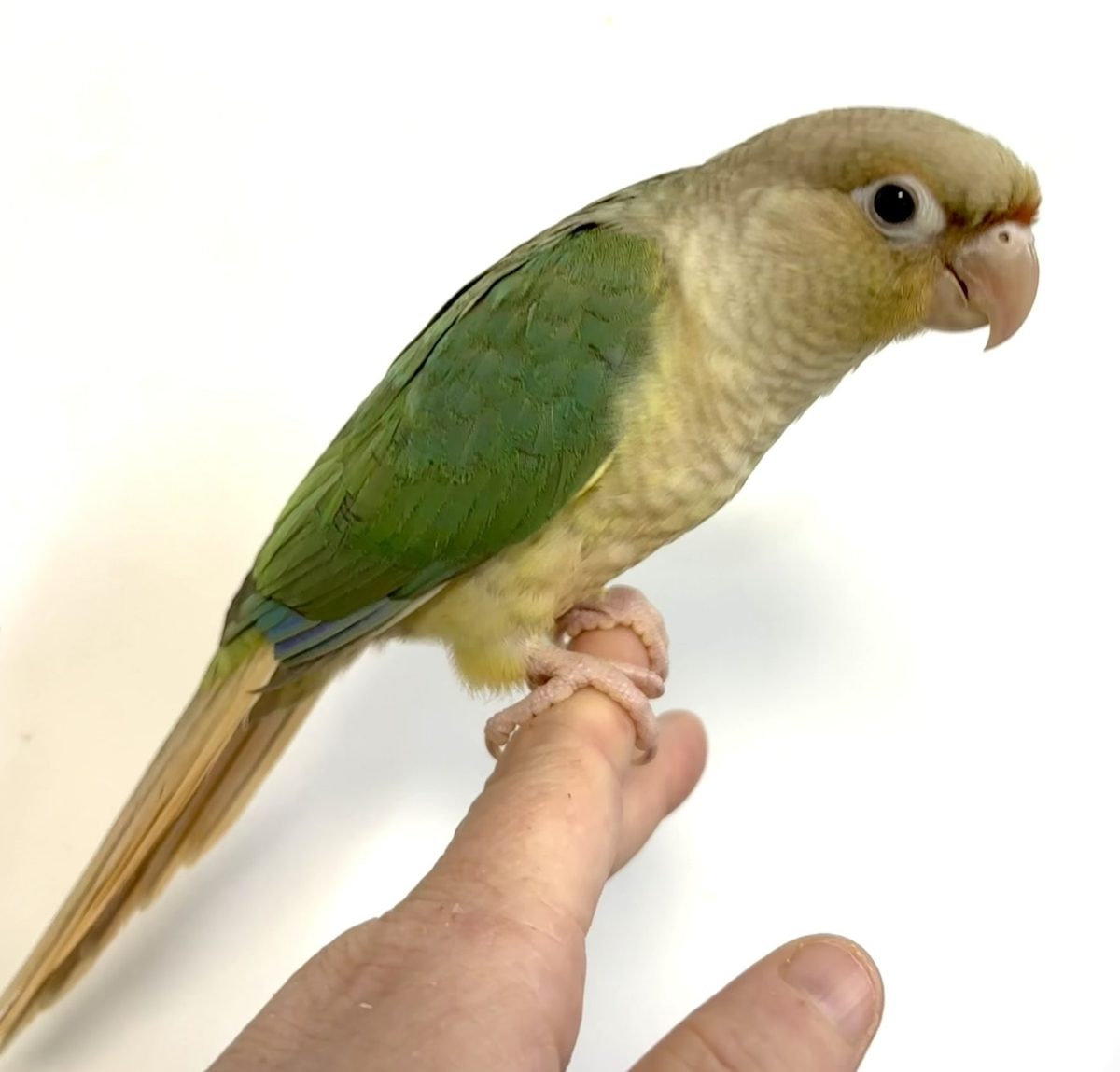
- Turquoise has two copies of turquoise. It’s a parblue, so some yellow pigment stays, giving the familiar teal-green look.
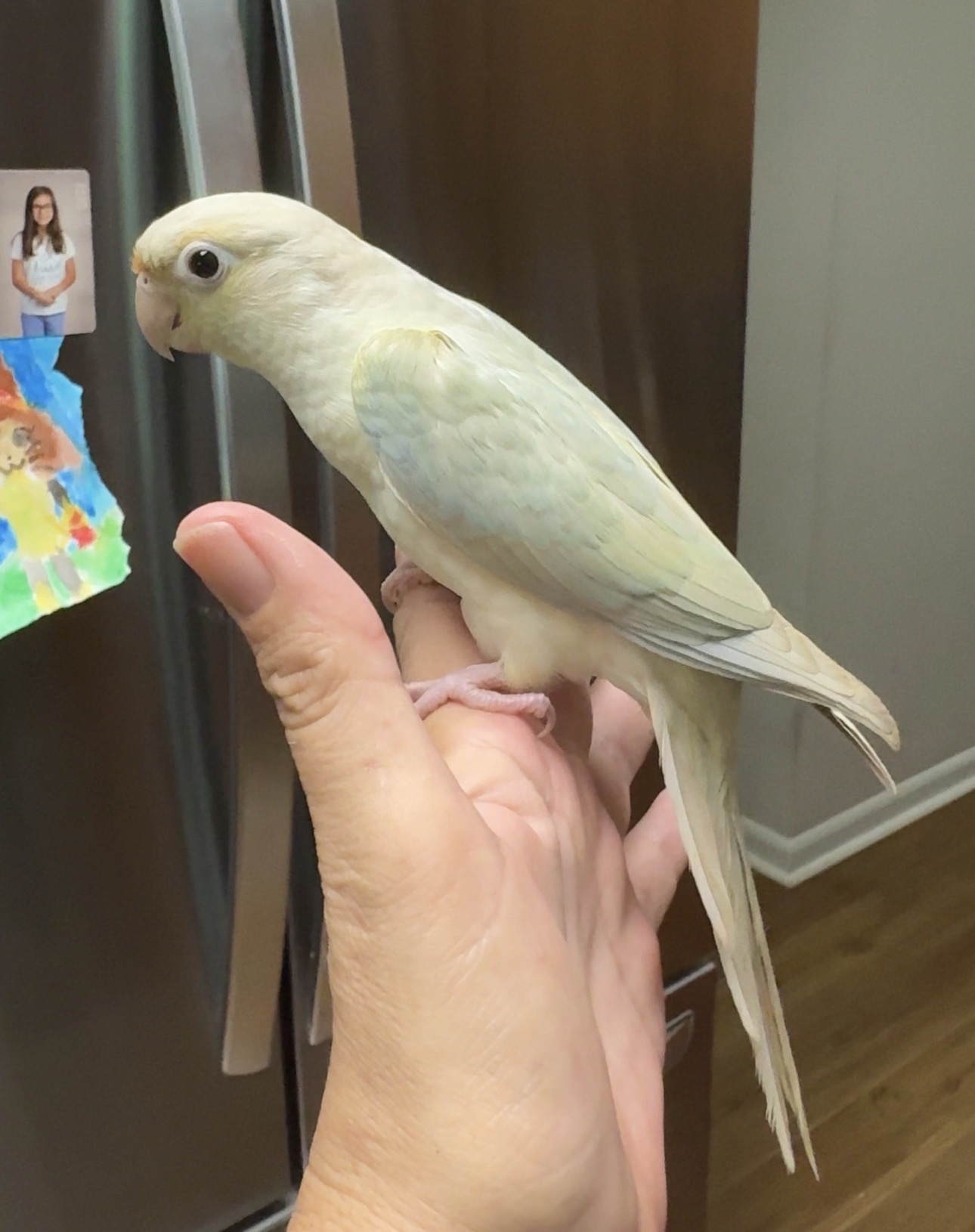
- TurqBlue has one copy of turquoise and one copy of blue. It’s the in-between bird: bluer than Turquoise, but not as clean as Blue.
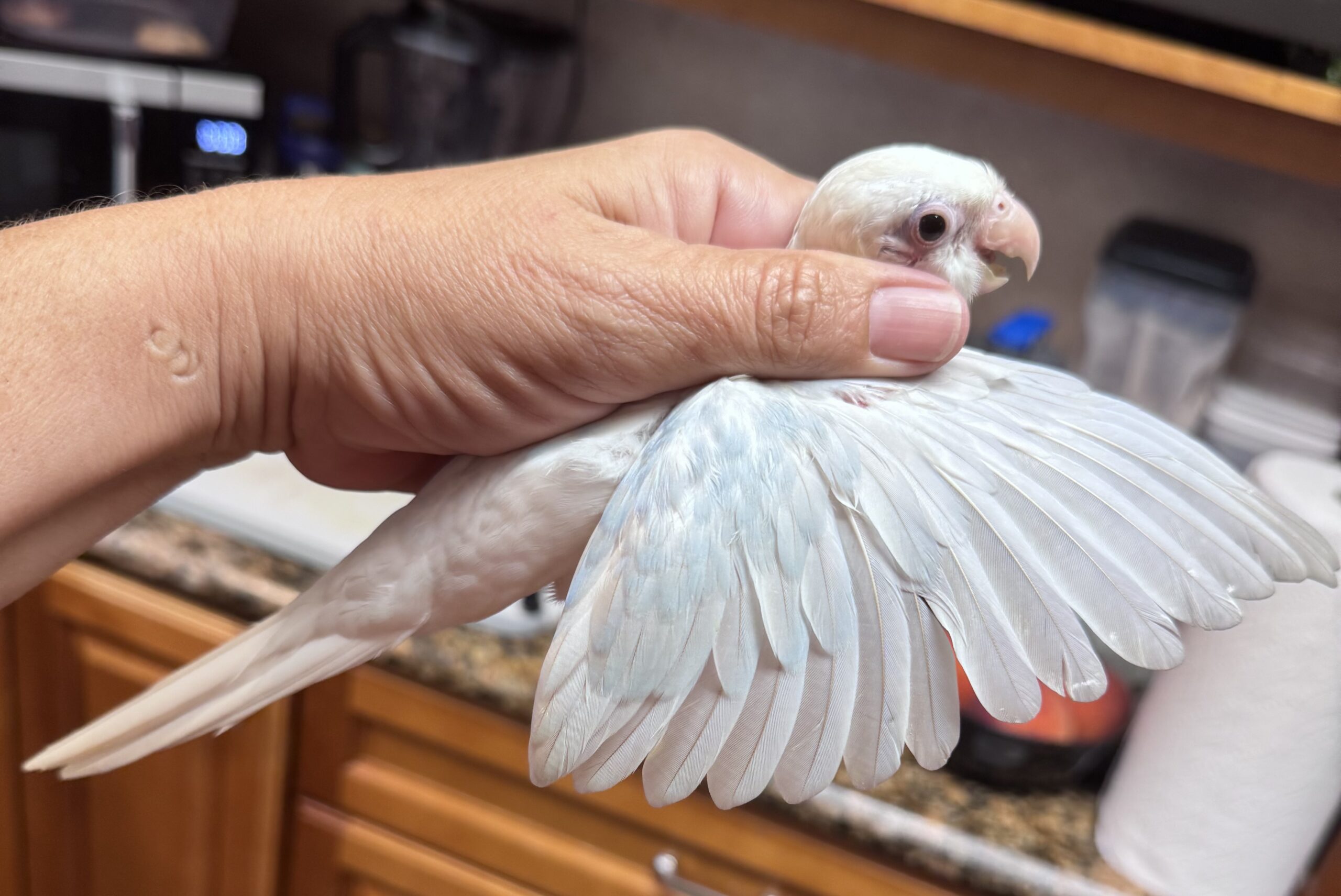
- Blue has two copies of blue. All the yellow and cream pigment is gone, leaving clean blue and white with no turquoise leakage.
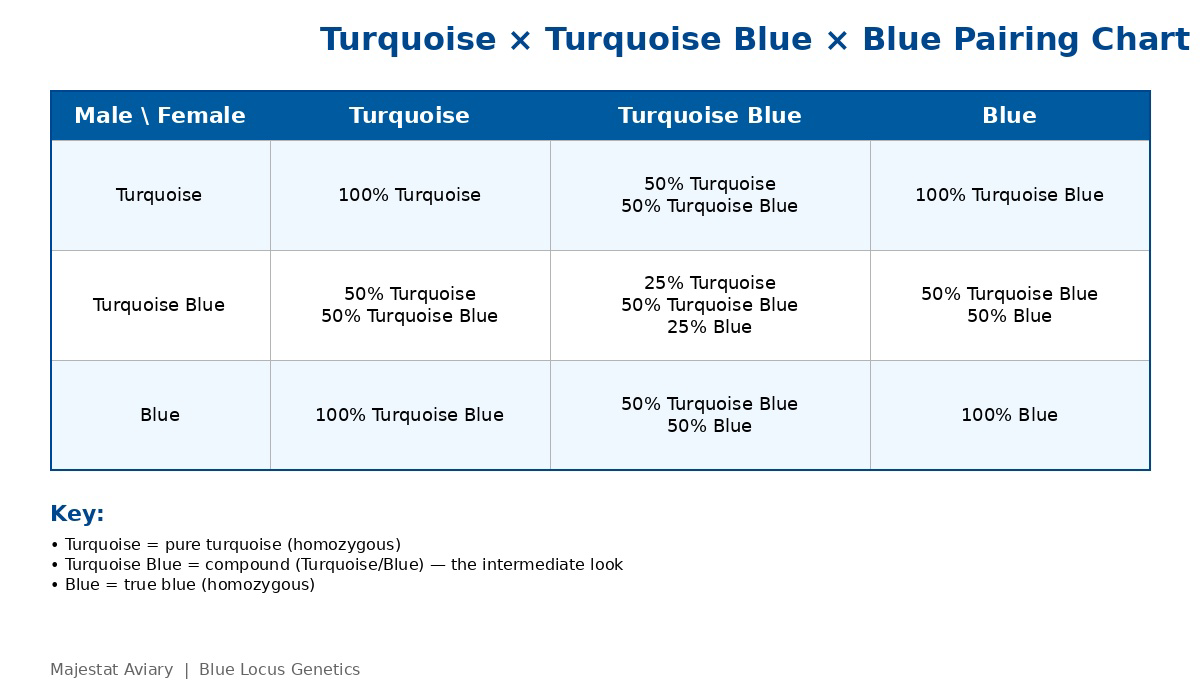
Because both versions sit on the same gene, simple genetics predicts these pairings:
- Blue × Blue gives all Blue.
- Turquoise × Blue gives all TurqBlue.
- TurqBlue × TurqBlue gives roughly 1 Turquoise, 2 TurqBlue and 1 Blue out of every 4 babies.
This is the same pattern seen in other parrot species where turquoise and blue are versions of one gene. It’s also why Dominant Red disappears on Blue birds: with the yellow gone, the red has nothing to show on.
Our Discovery of Blue Journey
The Proof Is in the Birds
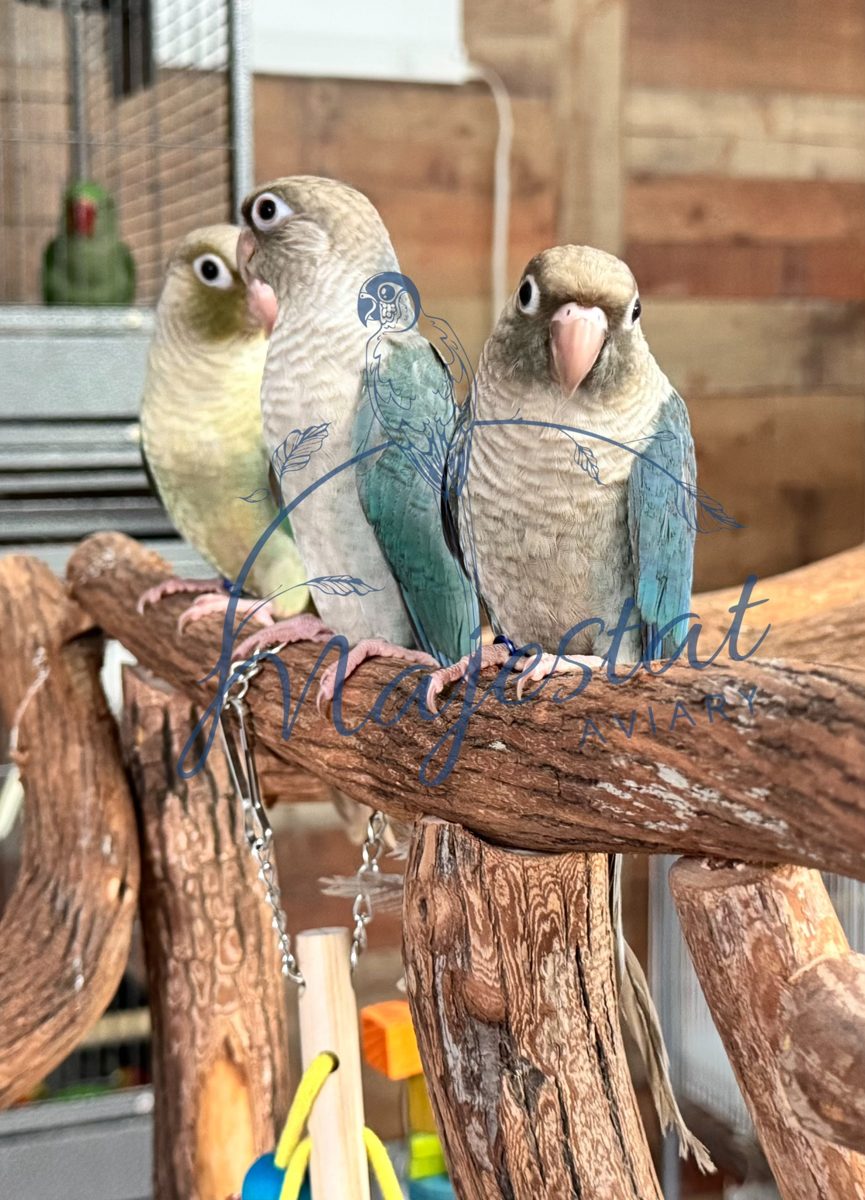
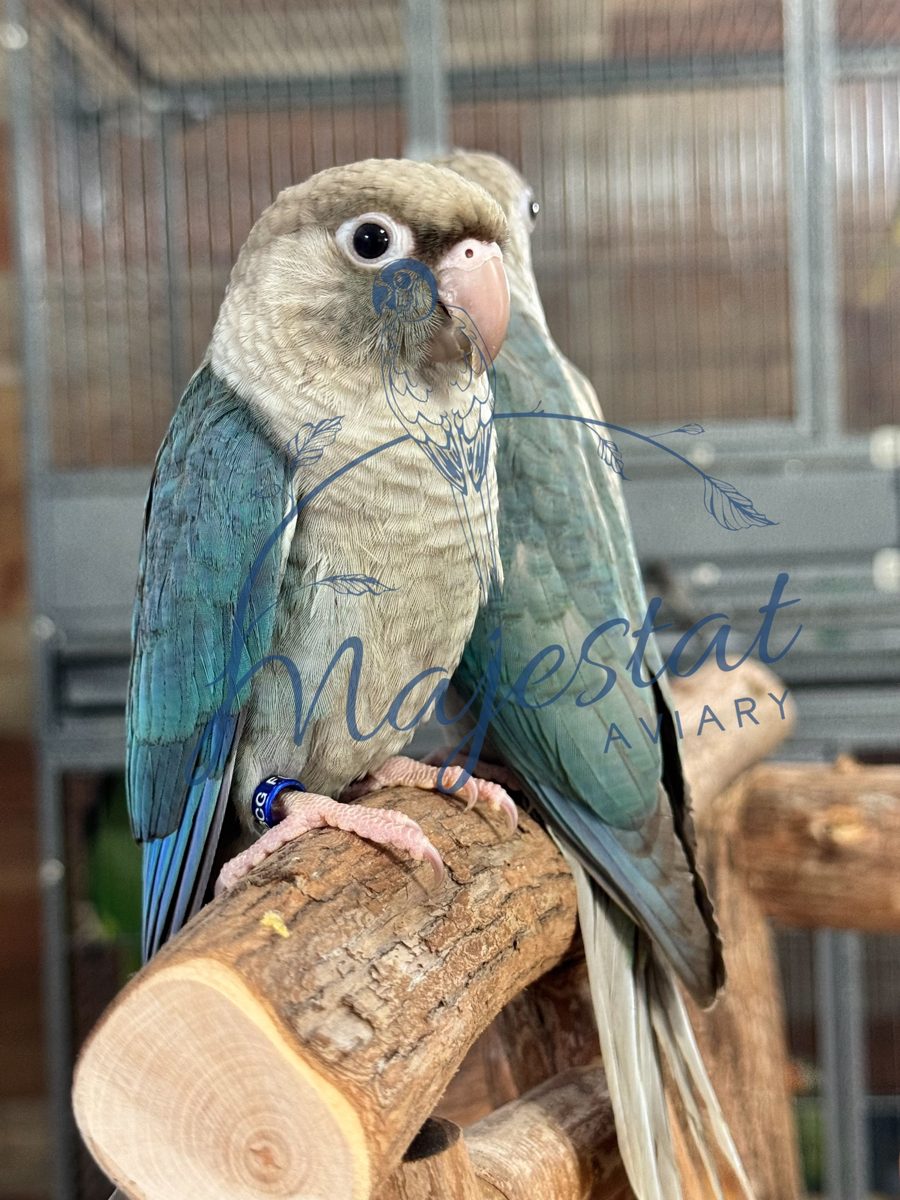
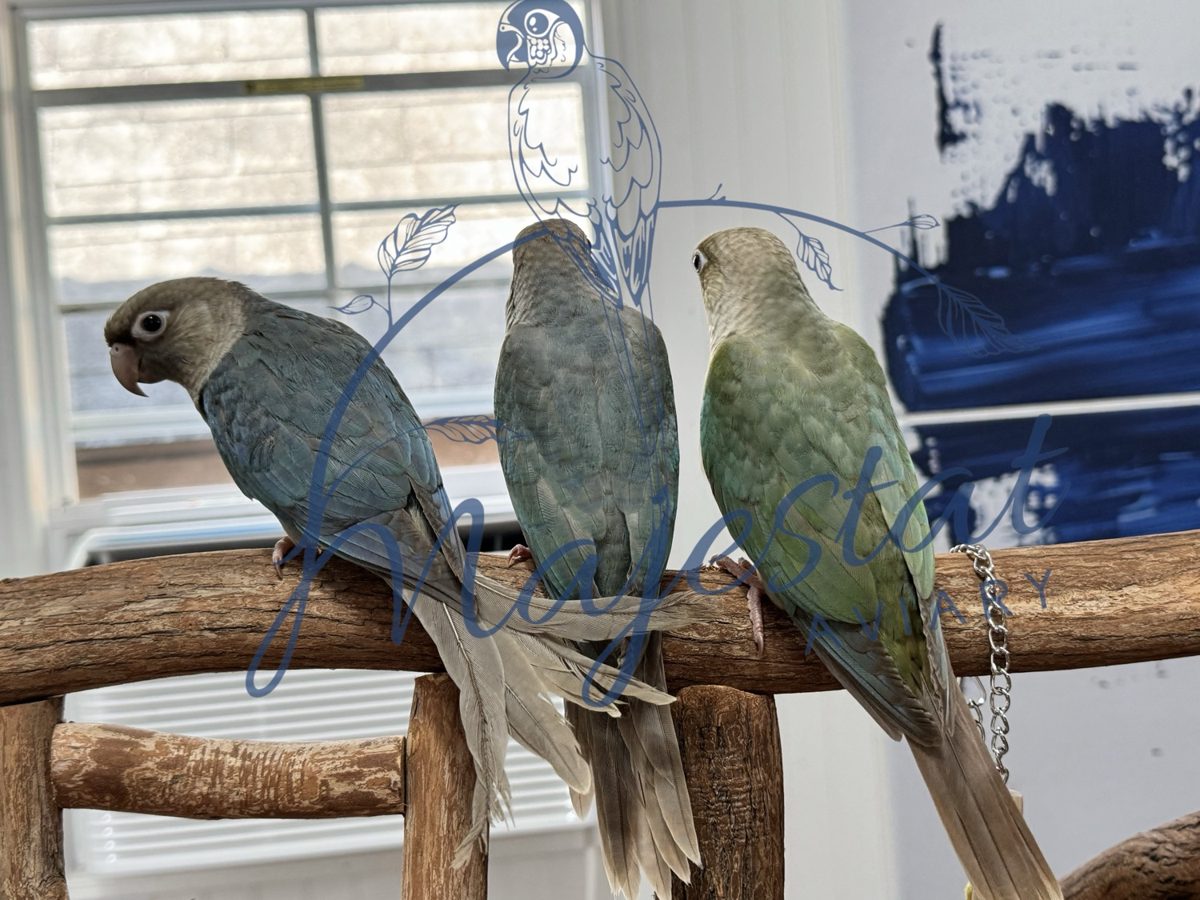
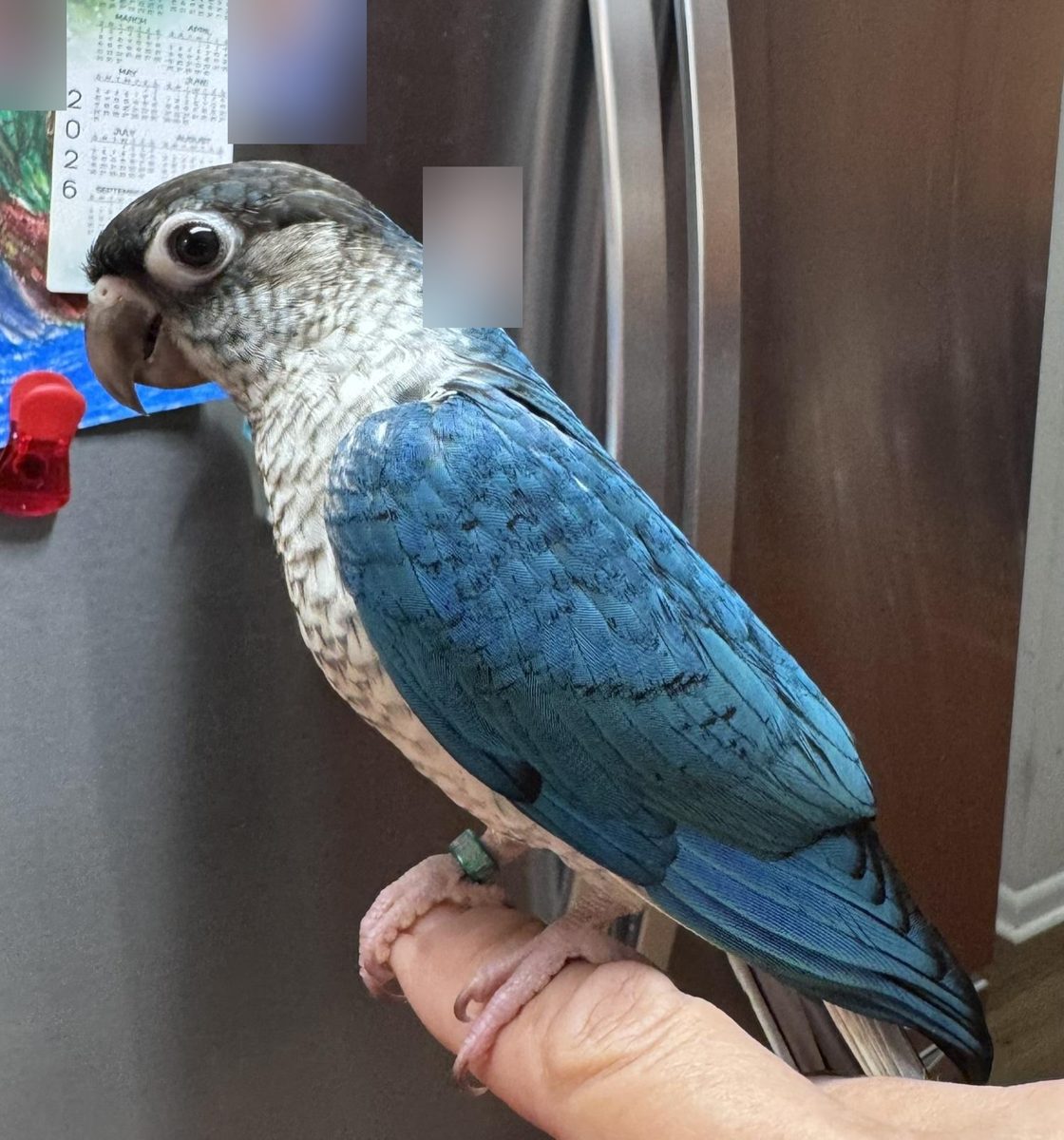
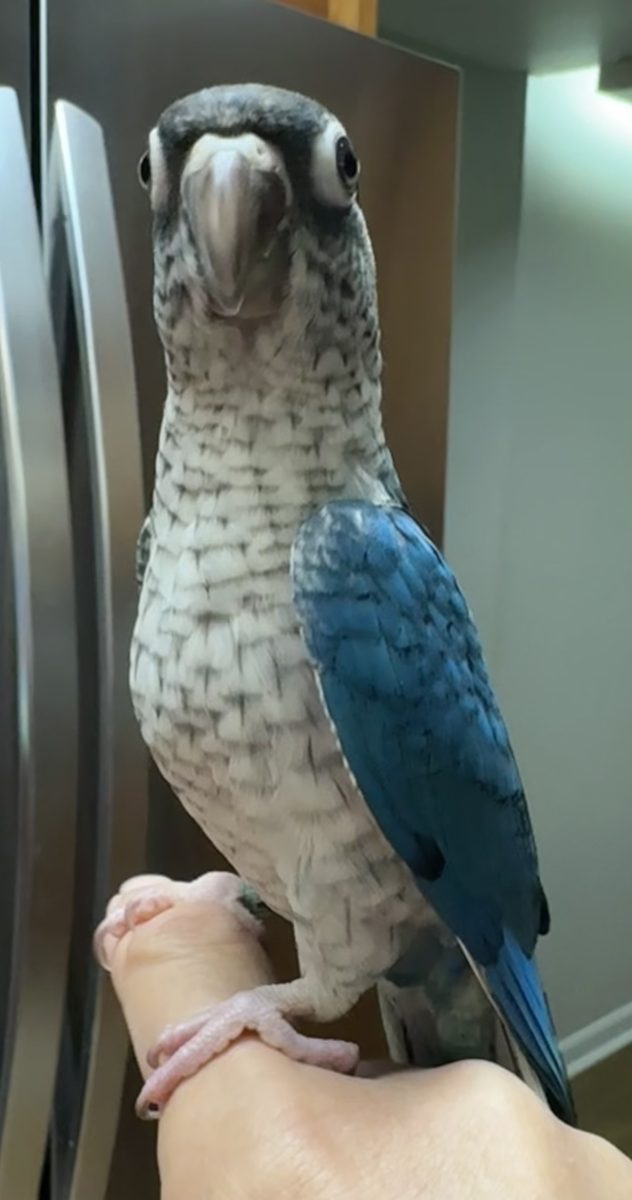
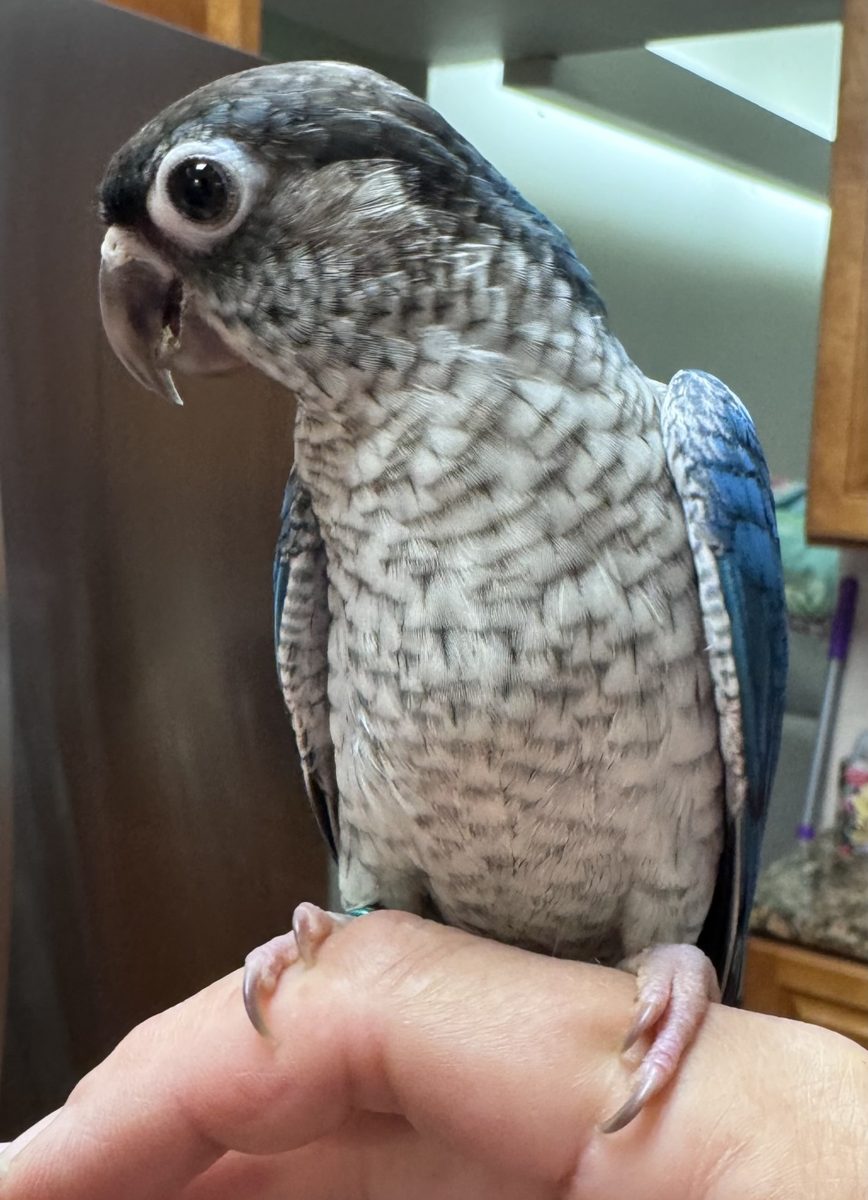
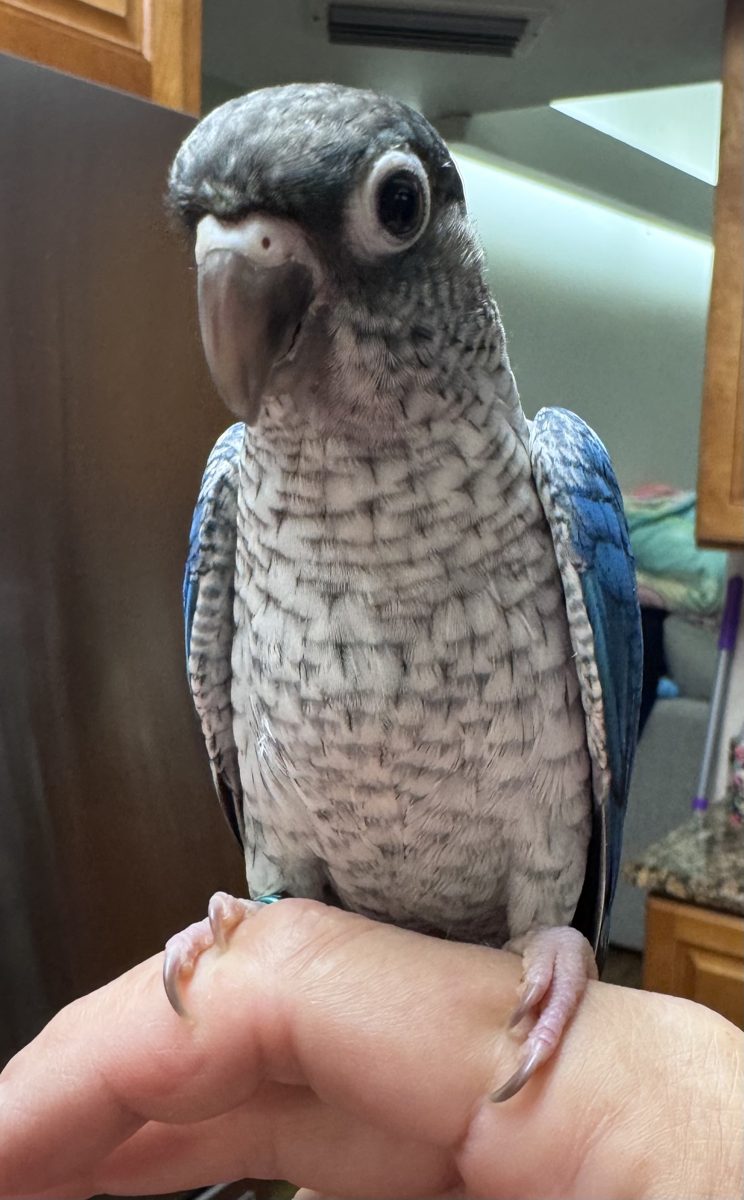
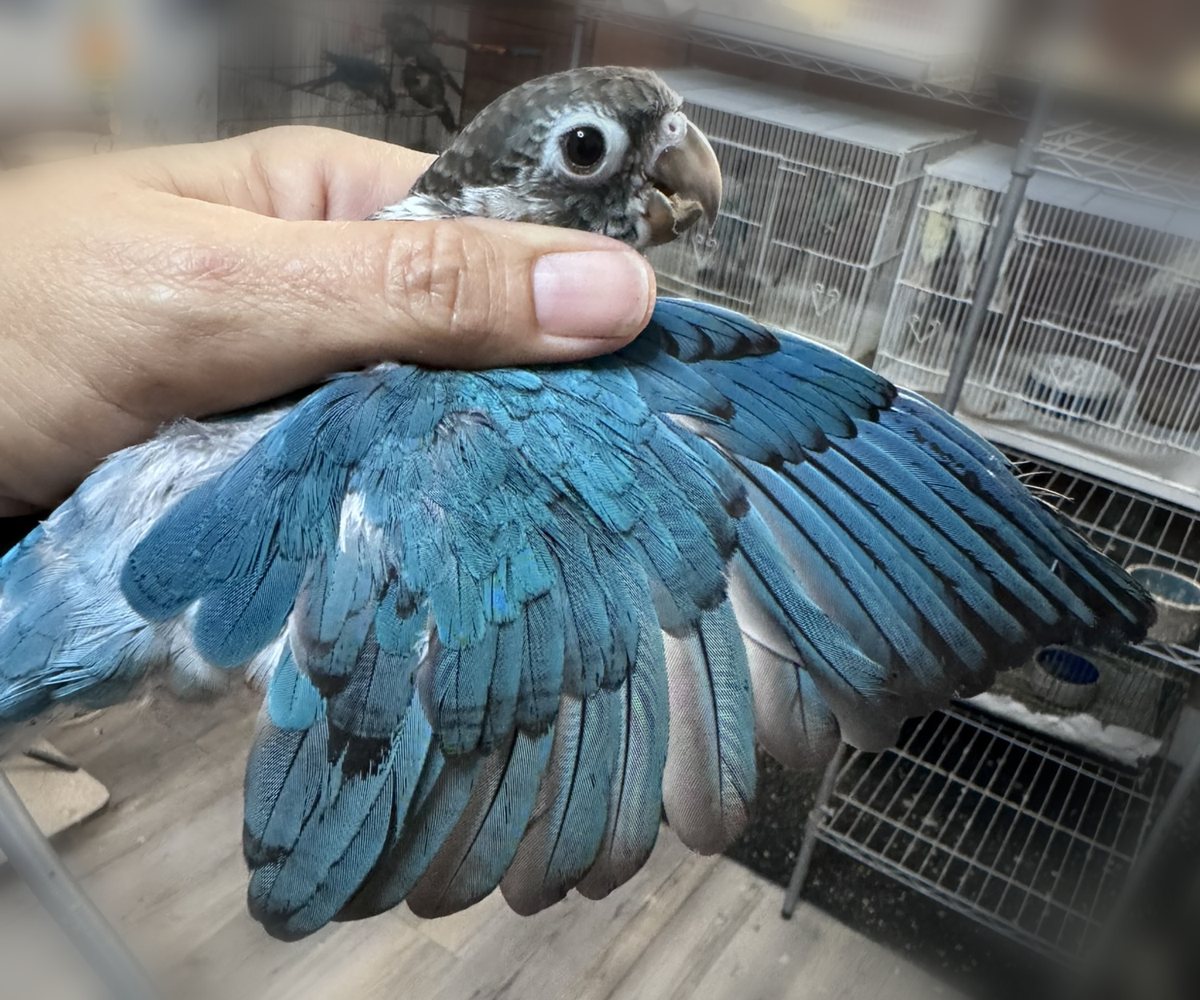
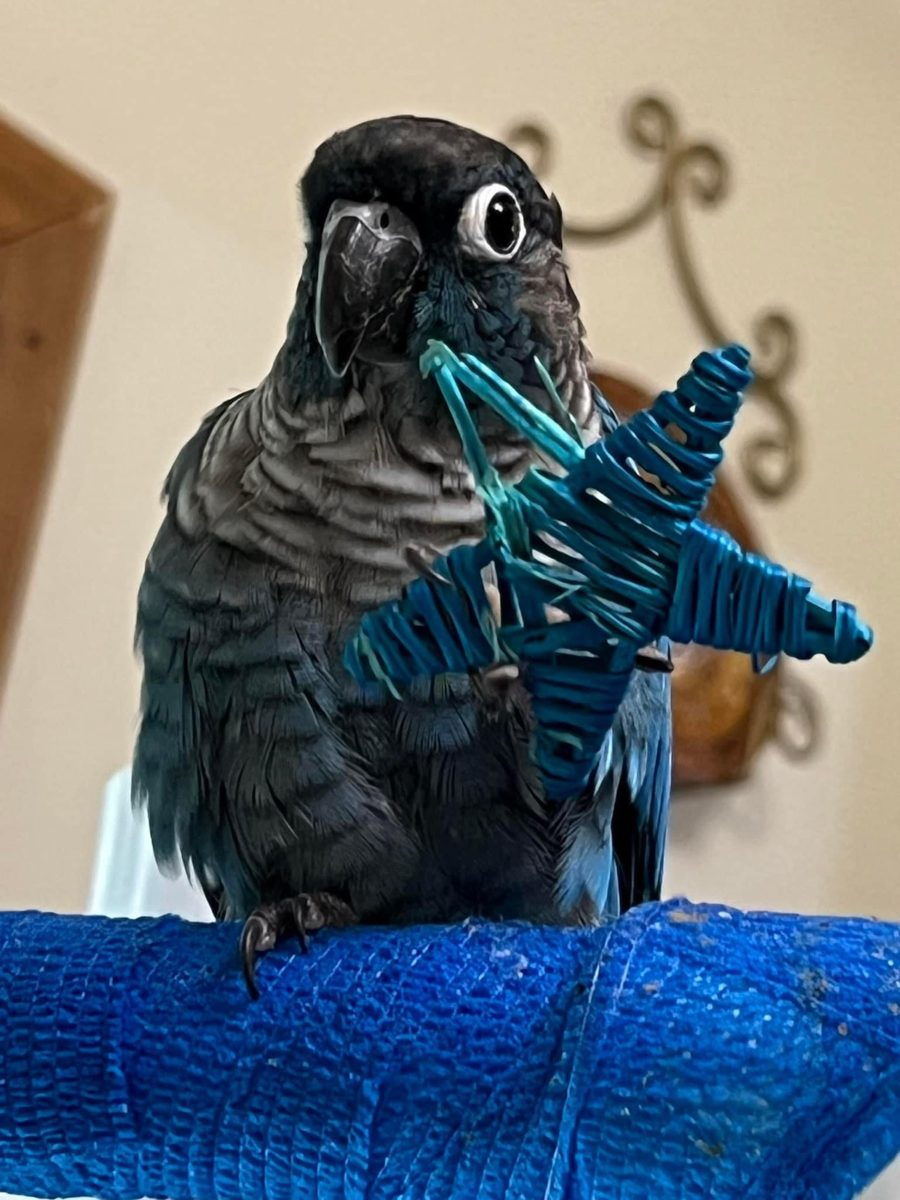
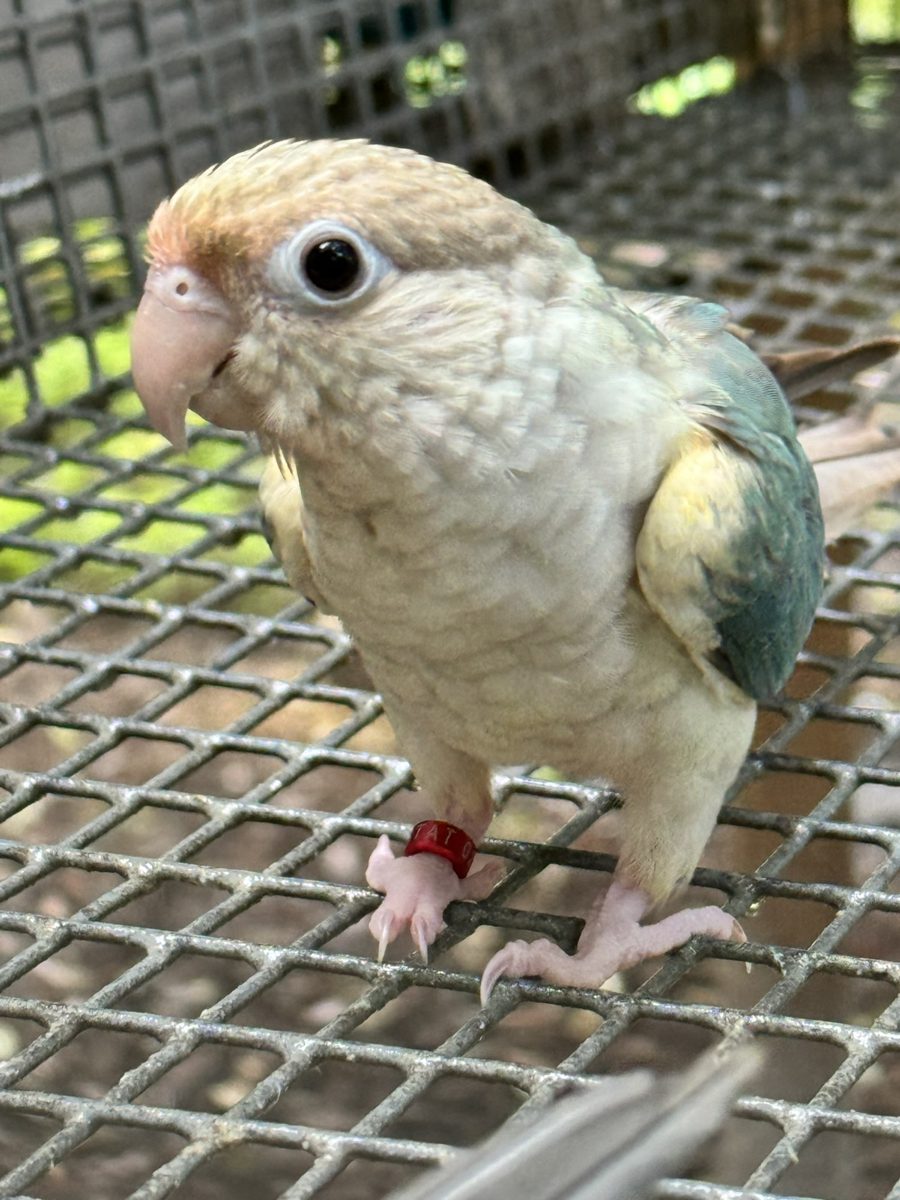
These are the birds behind our breeding observations. Here we can see Blue and Turquoise Blue across the combinations we have been working with.
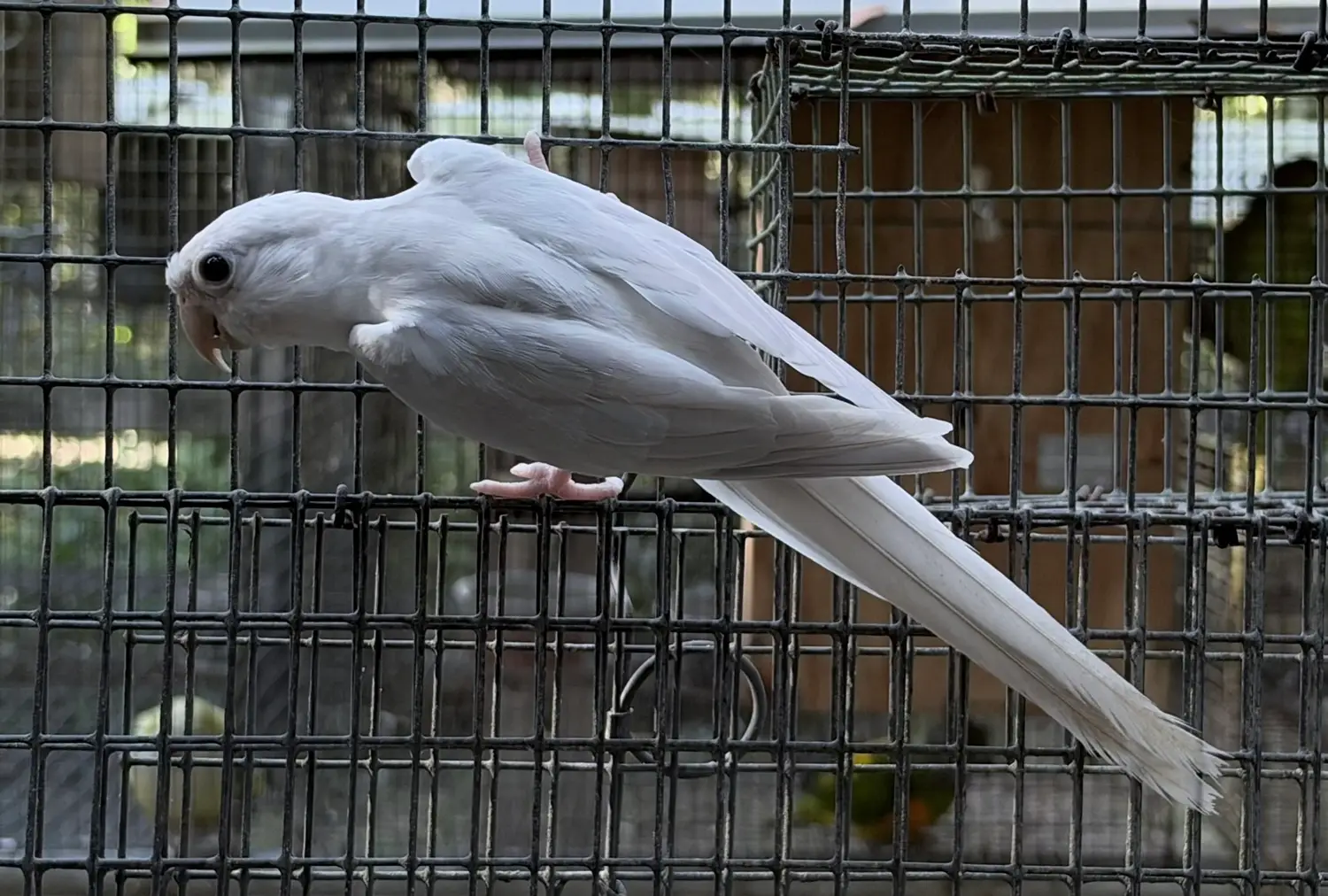
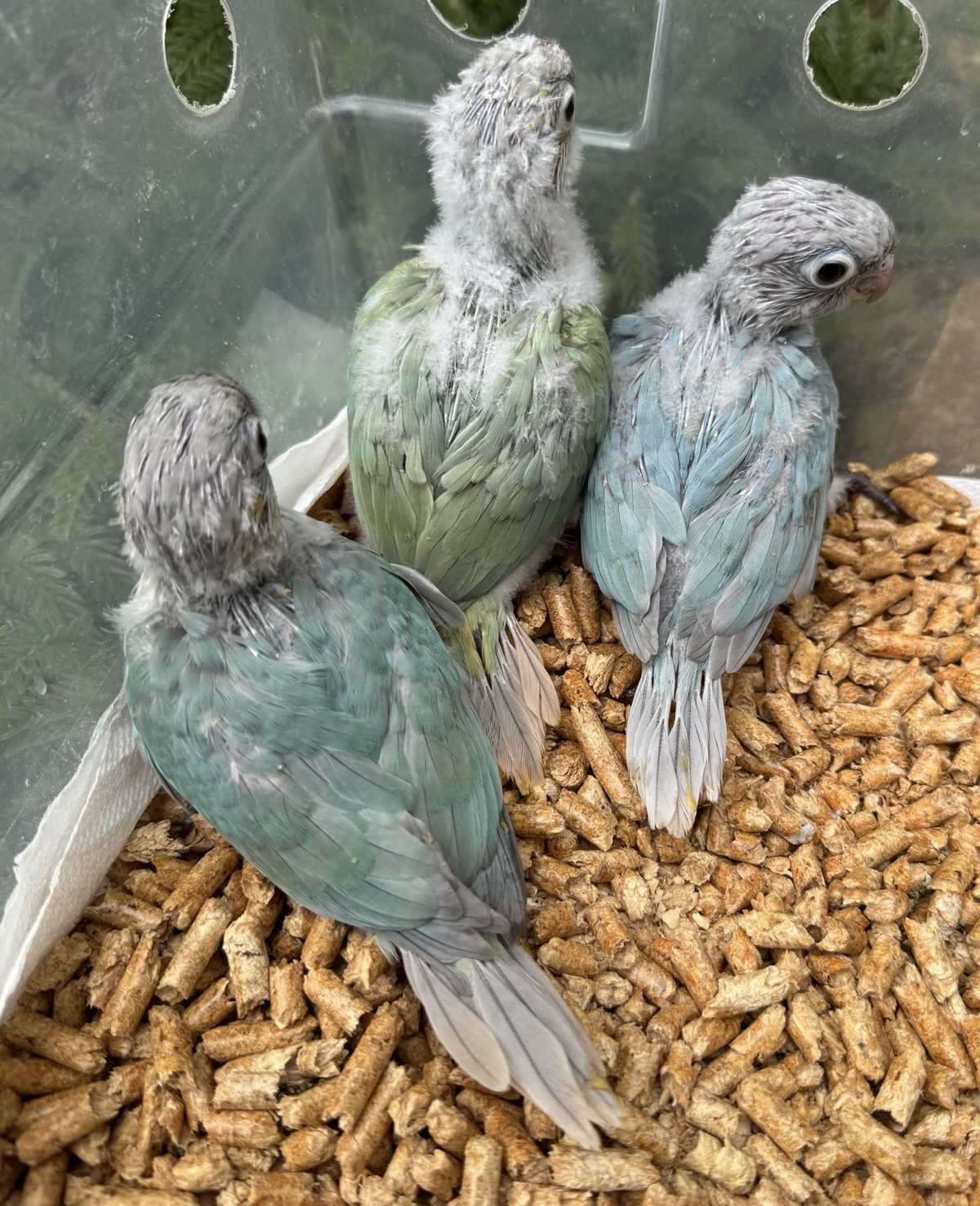
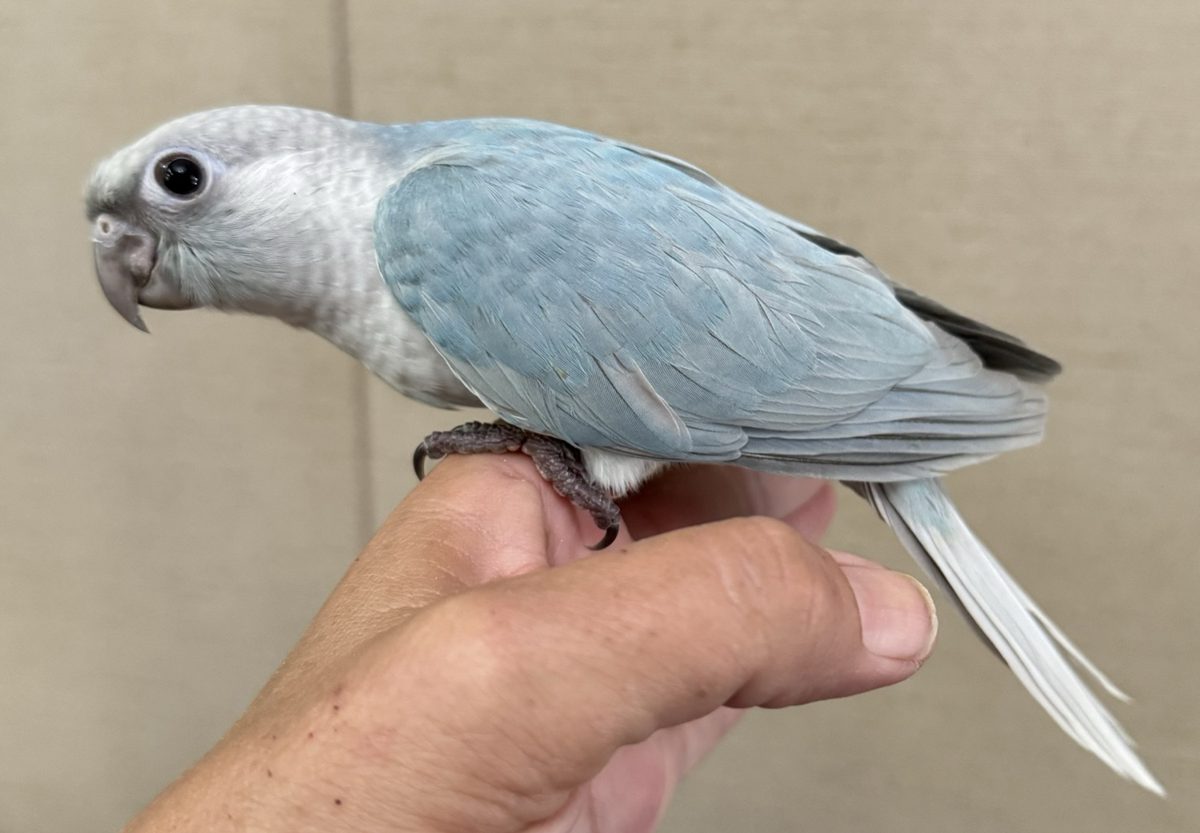
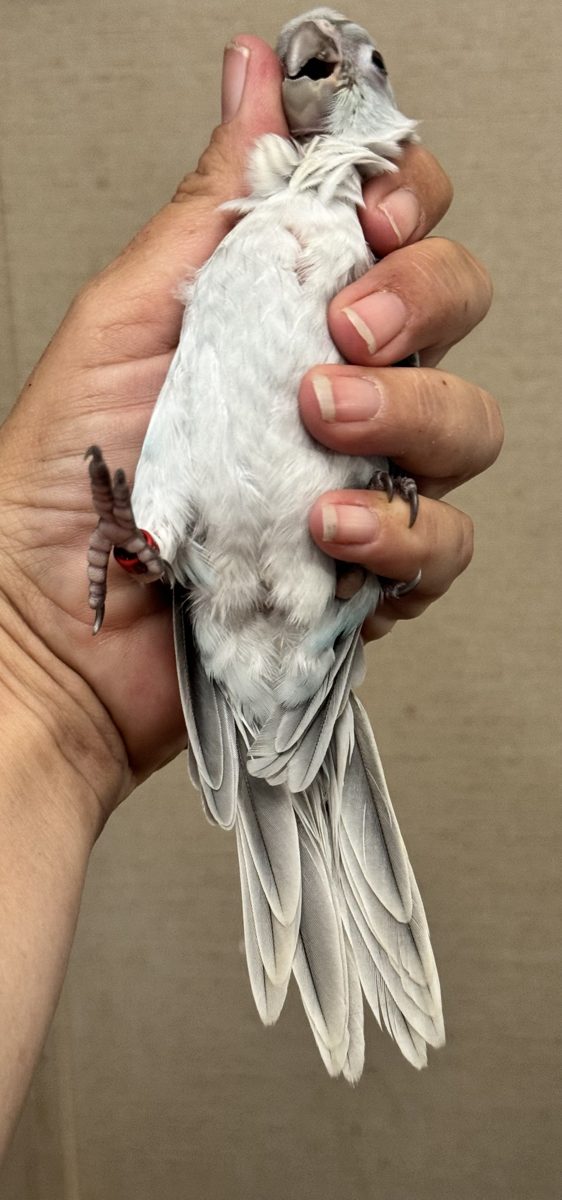
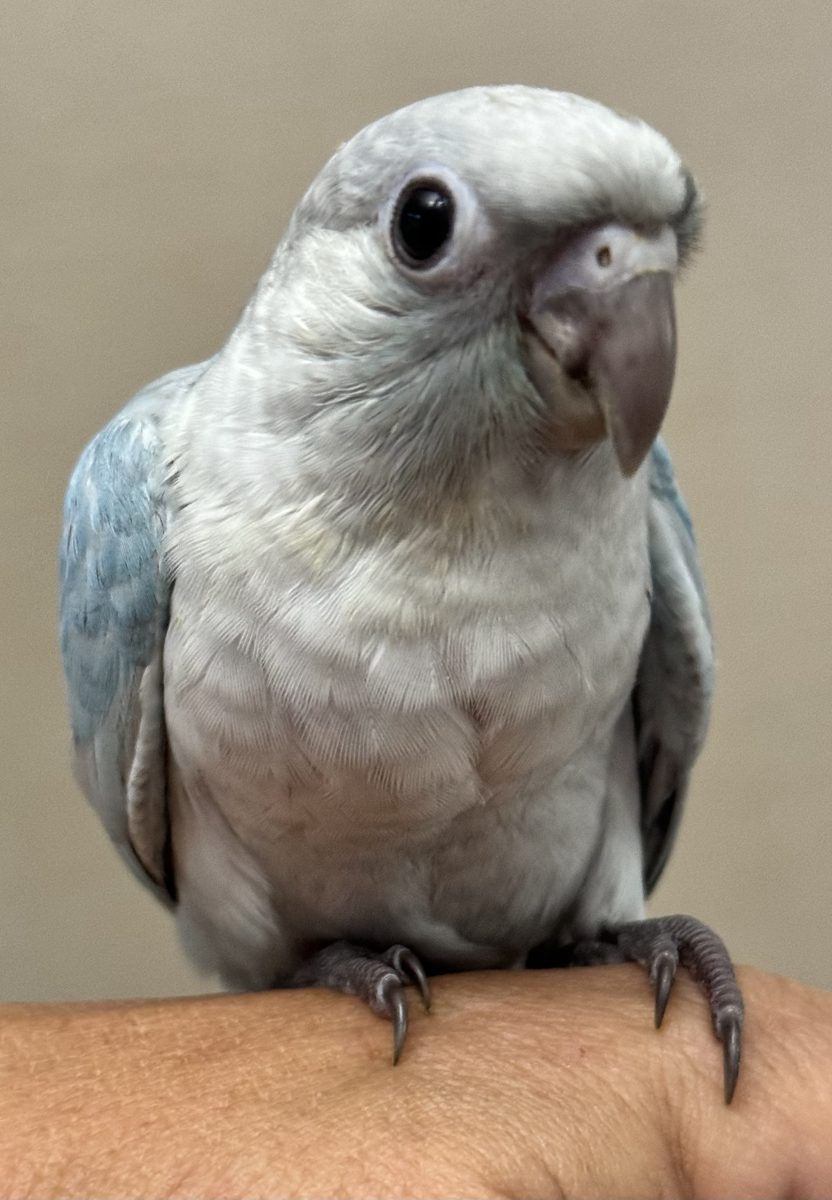
Our Blue birds show clean blue and white, with no yellow or cream pigment remaining.



Our Breeding Observations
Common Questions
Isn’t this just turquoise?
In our test pairings, we produced only green and blue, with no standard turquoise. We recognize Turquoise Blue as one copy of standard turquoise plus one copy of the blue allele. Our Blue birds show clean blue and white with no turquoise leakage and no yellow or cream pigment remaining.
Why was it called violet at first?
When we started in 2020, our birds looked significantly bluer than standard turquoise and resembled birds being called Violet in Europe. We originally bred them as Single Factor and Double Factor Violet, until our breeding results showed that identification was incorrect.
Has anyone else seen the same results?
Amy Ginley’s hens gave identical breeding results. Dirk Van den Abeele and Levi DeMartin independently noted the three-color separation—blue, turquoise-blue, and turquoise—through video calls and photographs.
Is it recessive?
Yes. We identified a recessive blue at the same genetic location as turquoise. The two mutations act as different versions of the same gene.
What does this mean for breeders?
Correct identification lets us work the mutation properly and predict outcomes accurately. It also opens new color combinations that were not available with standard turquoise alone.
Our Blue Discovery
Why This Matters
Correct identification allows breeders to work the mutation properly and predict outcomes accurately.
It also opens new color combinations that were not available with standard turquoise alone. We are continuing further test pairings and will share additional data as it becomes available.
We are collaborating with Levi DeMartin of Pyrrhura Mutaties (Belgium) for independent evaluation and documentation. Birds from these lines will be available for export through Levi.
We continue to run test pairings and will share new data as it comes in. Fellow breeders working with these lines are always welcome to compare notes with us.
Availability
Coming 2027: TurqBlue & Blue Green Cheek Conures
We're now taking our list for 2027 babies from our TurqBlue and Blue lines.
2027 Season Pricing
TurqBlue
$800 – $1,200TurqBlue Dilute
$1,200 – $1,800Blue
$2,000Dilute Blue
$2,800 – $3,200A 50% non-refundable deposit reserves your baby. See our Purchase & Health Guarantee for details.
Spaces are limited. Get on the list now!
Get on the ListIf you would like additional photos, pairing information, or have questions about the genetics, please feel free to contact us. We are happy to share what we are seeing.

Beth & The Flock here at Majestat Aviary in Central Florida